The link between organisms in an ecosystem
Food Web & Food Chain
Food Web & Food Chain
The link between organisms
Definitions
Producers
Producers are by definition autotrophs, which means they are self-feeding. This group of organisms uses solar energy (photosynthesis) – or more rarely inorganic chemical reactions (chemosynthesis) – to create food in the form of energy-rich molecules such as carbohydrates. This process, the synthesis of carbon dioxide into organic compounds, is called primary production and is indirectly or directly connected to the survival of all life on Earth.
Producers are the foundation of every food chain and food web, as they provide energy for the rest of the organisms to survive.
Consumers
Consumers consist of three categories:
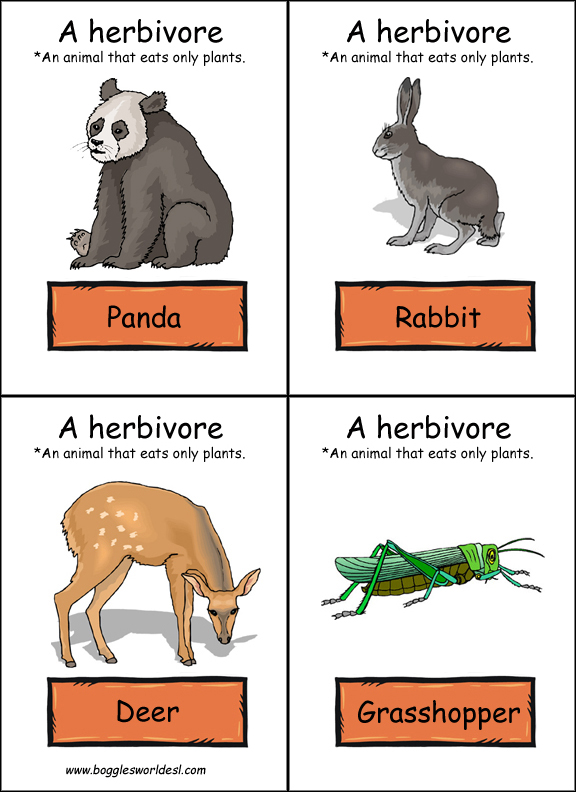
Primary Consumers: these animals and insects eat primary producers, they are also called Herbivores they feed on plants and fungi, organisms who receive their food and energy through the process of photosynthesis.
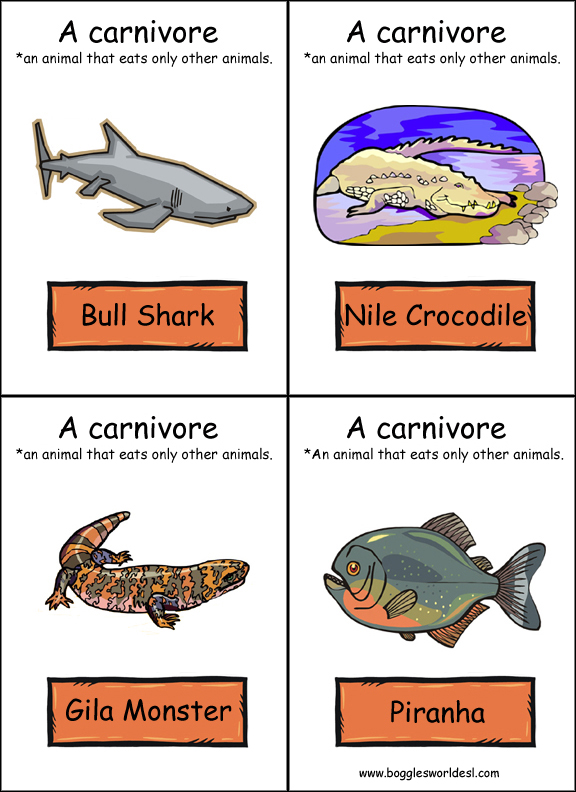
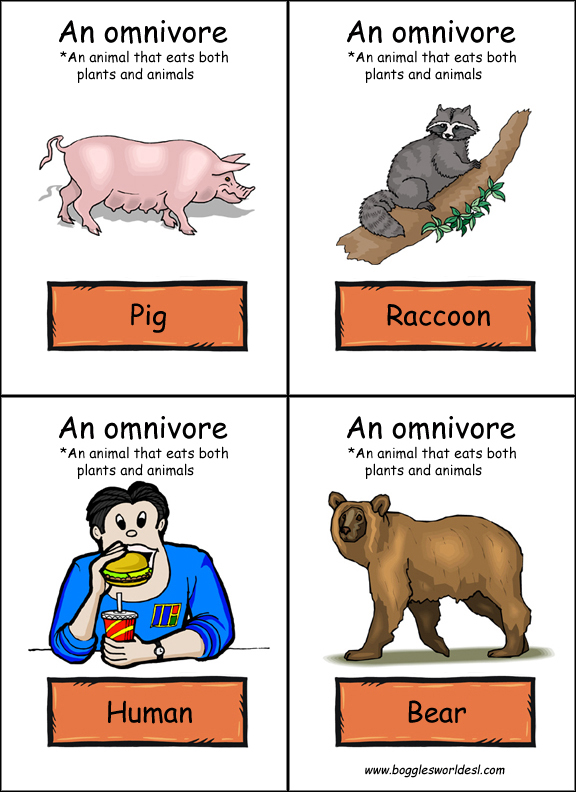
Secondary Consumers: these organisms eat Primary consumers, there are two types: Carnivores and Omnivores.
Tertiary Consumers: they eat secondary consumers, sometimes both secondary and primary consumers. They are also known as the apex predator because it is at the top of the food chain. They consume energy from all other levels.
Trophic Level
Trophic level: The organisms of a chain are classified into trophic levels on the basis of their feeding behaviour.
- The first and lowest level contains the producers, green plants.
- The plants or their products are consumed by the second-level organisms—the herbivores, or plant eaters.
- At the third level, primary carnivores, or meat eaters, eat the herbivores.
- At the fourth level, secondary carnivores eat the primary carnivores.
These categories are not strictly defined, as many organisms feed on several trophic levels. (e.g. some carnivores also consume plant materials or carrion and are called omnivores, and some herbivores occasionally consume animal matter.) A separate trophic level, the decomposers, consists of organisms such as bacteria and fungi that break down dead organisms and waste materials into nutrients usable by the producers.
Food chain
Food Chain: A food chain is a linear network of links in a food web starting from producer organisms and ending at apex predator species, detritivores, or decomposer species.
Food Web
A food web is a system of interlocking and interdependent food chains. (Brook Romero, September 2016)